
The AI lesson small businesses can take from Paysend: start with the problem, not the tool
By Leon Walker · 17 October 2026
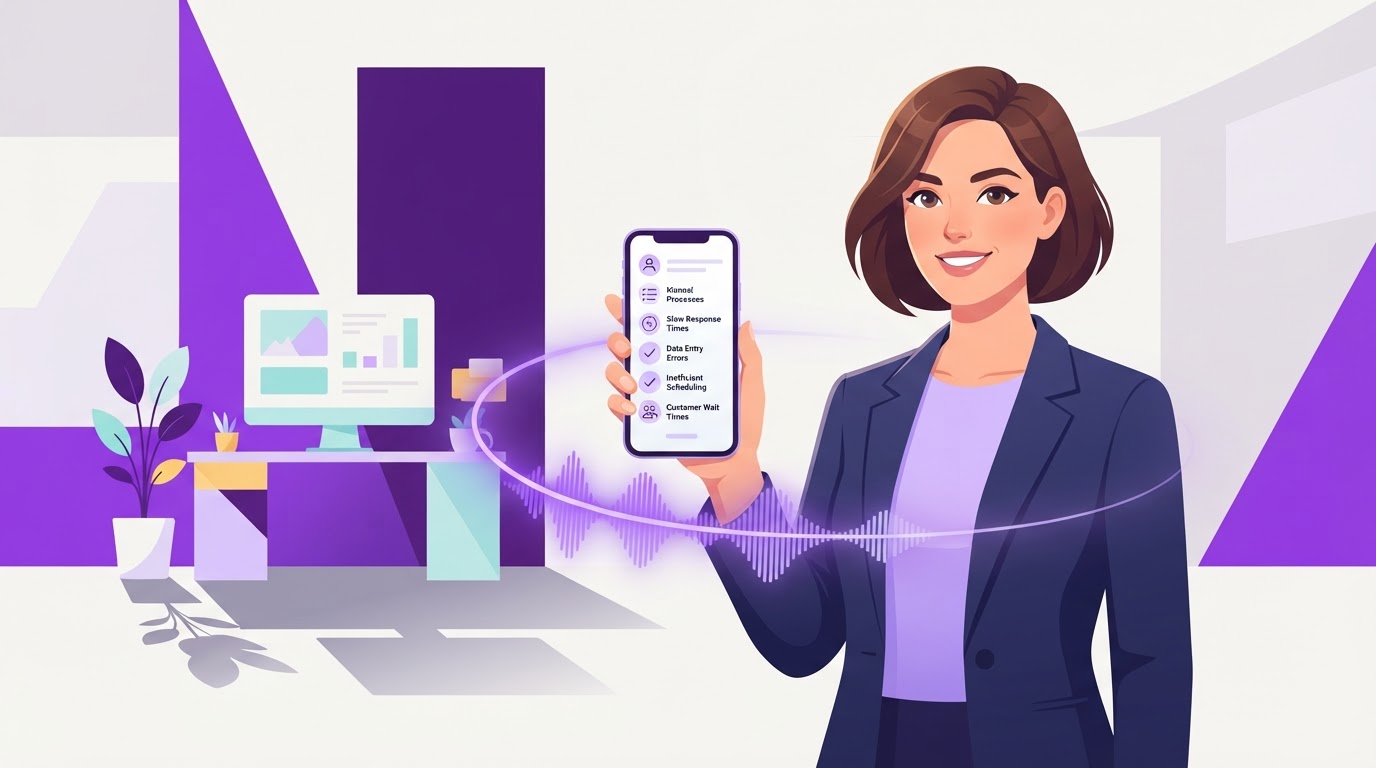
At London-based payments company Paysend, CEO Ben Chisell doesn't hand everyone an AI tool and hope for the best. As reported by CNBC on 17 October, he asks employees to show what a tool actually helps them achieve. One employee tested an AI assistant for a month, found it mainly sped up content briefs, and suggested building a focused tool for that job instead. Chisell says Paysend's engineering team can deliver about 25% more work with the same number of people, but he is wary of confusing activity with results.
That's a useful lesson for a small business owner. You don't need a company-wide AI strategy, a dozen subscriptions or a grand announcement. You need one recurring problem that costs time or loses you work, and a way to tell whether using AI genuinely improves it.
The numbers in the same CNBC report are a good reason to stay practical. UK government research cited by the article found that 75% of businesses using AI reported better workforce productivity, but 77% said their revenue had not changed. Saving time can matter, of course. But time saved is only valuable if it helps you serve customers better, take on more work, reduce avoidable costs or give your team room to focus. If none of those things changes, the new tool may just be another monthly bill.
For a service business, the right starting point might be missed calls while you're on a job, repetitive questions about opening hours or services, chasing up enquiries, or writing the same follow-up message over and over. Pick one. Don't start by asking, "Where can I use AI?" Ask, "Where are customers waiting, where does work get repeated, and what would a better result look like?"
Then set a small test. For example, if calls go unanswered during busy periods, track how many you miss in a normal week and how many turn into booked jobs. Try an AI receptionist or voice agent on a limited, clearly defined set of enquiries. Review the calls and outcomes yourself. Did it capture the right details? Did it book suitable work? Did callers get a helpful answer? Did it know when to pass someone to a person? Keep human ownership of decisions and awkward cases.
That last point matters. AI can sound confident and still get something wrong. A useful setup should make it easy to review what happened, correct problems and hand off to a person. Don't feed it sensitive customer information unless you've checked the tool's data handling and your own responsibilities. Start with low-risk tasks and clear boundaries.
Here's one thing you can do this week: choose one job that repeats at least several times, write down how long it takes or what it costs you, and test whether AI can improve that specific job. Give the test a finish line. After a week or two, compare the result with your starting point. If it helped, refine it. If it didn't, stop or try a more focused approach. You're not failing by rejecting a tool that doesn't earn its place.
That's the difference between adopting AI because everyone is talking about it and using it to run a business better. Start small, measure what changes, and keep people accountable for the outcome.
Want to see what that could look like for your business? Rutspin offers a free AI demo video built around practical ways to improve customer response and day-to-day operations. Visit rutspin.com or watch the free AI demo at social.rutspin.com.
Source: CNBC, "Some companies give AI to everyone. This CEO is doing the opposite," 17 October 2026. https://www.cnbc.com/2026/10/17/ai-workplace-tokenmaxxing-paysend.html
Hear your own AI receptionist
Build a free demo in 30 seconds. No card, no sales call.